-
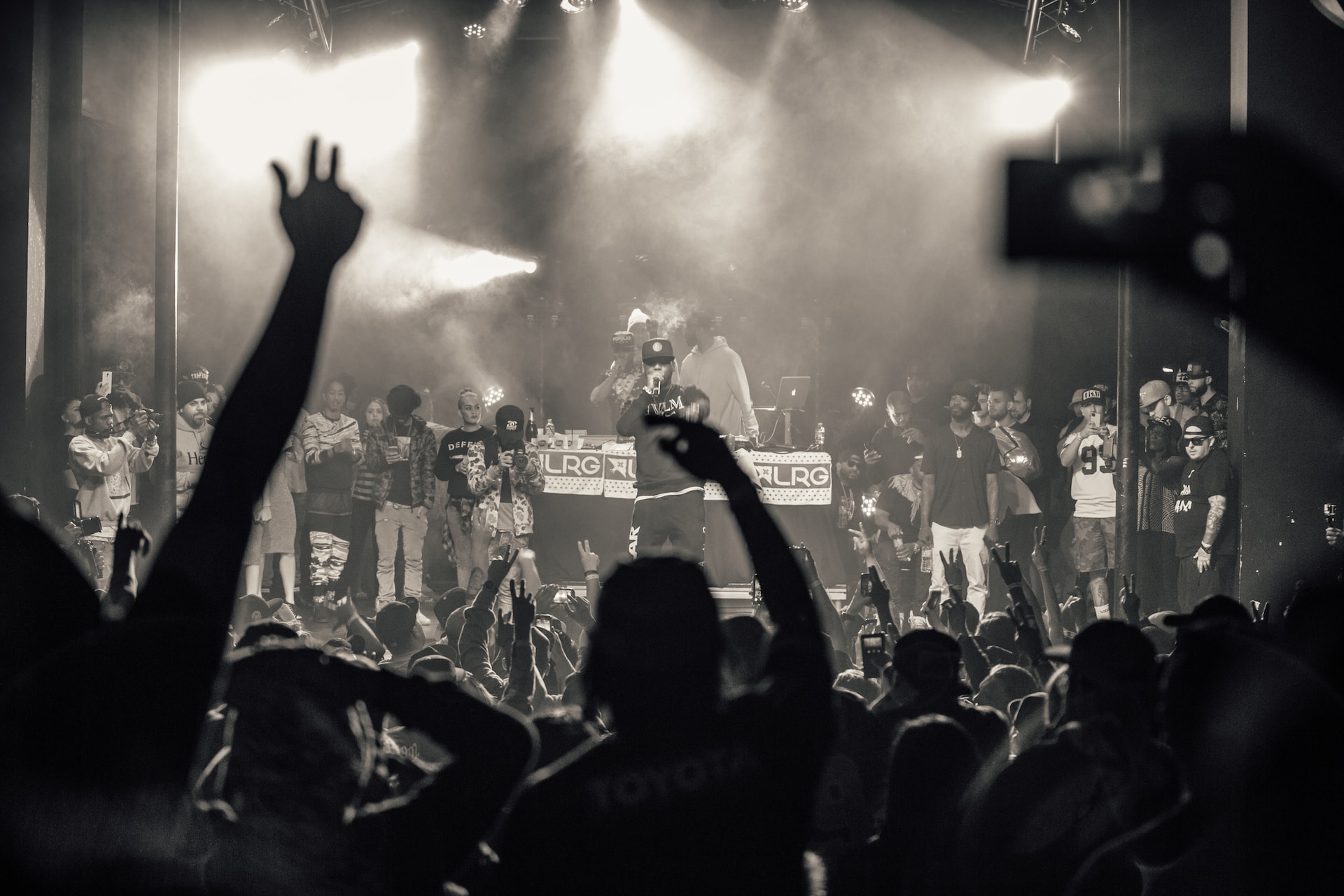
The return of “black” subcultures, or 80s hip-hop
When everyone had become accustomed to the fact that the new movements were the work of whites, the blacks of New York’s ghettos reminded us of themselves. When everyone had become accustomed to the fact that the new movements were the work of whites, the blacks of New York’s ghettos reminded us of themselves. Hip-hop…
-
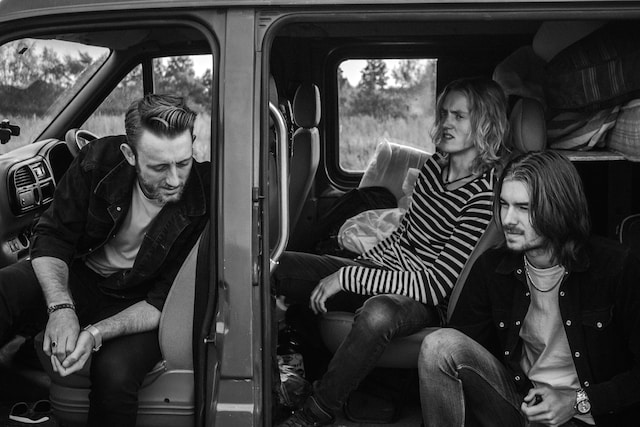
90’s Grunge and Emotional Zero
Another subculture emerged in America, again, thanks to England. Feeling the crisis of punks, young people again found themselves in search of alternative self-expression. This is how the Indies movement was born. This movement absorbed elements of many other subcultures in the U.S.: the simplicity of clothing and moneyless beatniks, hairstyles “Swinging London,” pugnacious jeans…
-

Bikers are the pioneers of “white” subcultures
The creators of the first “white” subculture were bikers. It is noteworthy that the current flourishes to this day, unlike many other subcultures. And even preserved the main distinguishing mark of a biker from a non-biker – a denim or leather vest with the emblem of the gang. The current was originally formed from young…
-
Hipsters of the Forties
It would seem that hipsters appeared only a few years ago, flooding the streets with flannel checked shirts, transparent glasses without diopters, and muffins in their hands. But no, the term was first coined in the 1930s, and the history of the subculture originated in the U.S., in New York. “Hipsters” defined “their own” by…
-
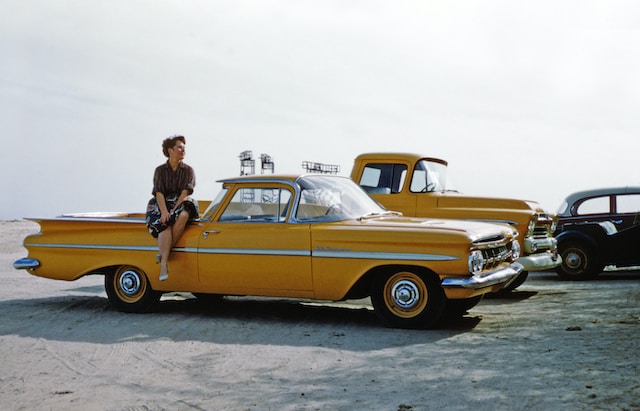
The Broken Generation: the popular subculture of the ’50s
The image of hipsters was embodied in the trend of beatniks. However, pretty soon the adherents of this subculture moved away from strict adherence to the accepted dress code, and black sweaters with berets became part of mass culture, a pose, but not a real rebellion against society. The beatnik movement has its origins in…
-
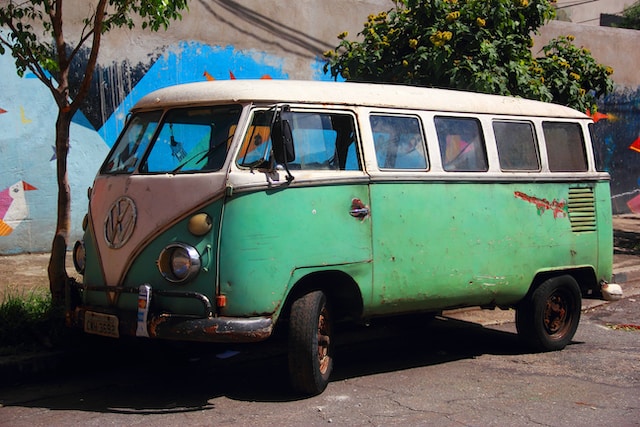
The Hippies of the 60s: Children of Color and Heirs to Tradition
This subculture inherited certain traits of beatism, embodying them in a reinterpreted form: a tendency to vagrancy, rejection of the mainstream, drug use, new styles of music and culture, sexual looseness. In addition, hippies promoted an image of simple rural life in the commune, enjoying their existence and being in harmony with nature. They could…
-

Punking the ’70s
After the vibrant youth movements of the ’40s and ’60s, there was a subcultural stagnation in America. There was a whole gap between the generations. Society’s internal problems dried up: racial intolerance was gradually eradicated, regional and ethnic issues were resolved peacefully. People were used to constantly shifting movements. And without novelty, there is no…